VICTUS HAZE clocks responsive space from launch notice to on-orbit operations
Rocket Lab's Electron flew a U.S. Space Force mission 16 hours and 42 minutes after the notice to launch, then beat the deadlines for spacecraft commissioning and on-orbit proximity operations — extending the responsive-space stopwatch well past liftoff.
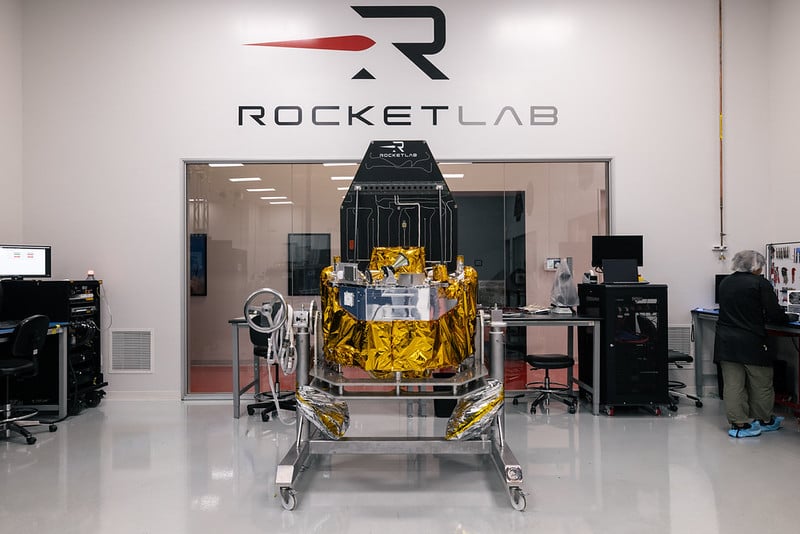
Rocket Lab said its Electron rocket launched the U.S. Space Force's VICTUS HAZE mission on 19 June 2026, 16 hours and 42 minutes after receiving the notice to launch. The company then reported Pioneer spacecraft commissioning inside 38 hours and rendezvous and proximity operations complete in under 59 hours, ahead of the Space Force deadlines for both later phases.
Launch call-up is the easiest number to headline, but it is only the first clock. A responsive mission earns the label when the spacecraft can be placed in a useful orbit, checked out, tasked, and maneuvered for space domain awareness before the operational problem has moved on. VICTUS HAZE put deadlines and results on those later phases, not just the launch.
That tempo rests on two years of staging. Rocket Lab's April 2024 contract with Space Systems Command — $32 million to design, build, launch, and operate an RPO-capable spacecraft — laid out a build phase, a hot-standby phase, launch on notice into a target orbit, rapid commissioning, and dynamic operations with True Anomaly's Jackal. The clocks measure execution from hot standby, not mission creation from a cold start.
Against VICTUS NOX, the previous Tactically Responsive Space demonstration, the numbers moved in one direction. Space Systems Command reported that mission launching 27 hours after its final launch order and completing initialization 37 hours after reaching orbit. VICTUS HAZE cut the notice-to-launch time and added a clock the earlier mission did not carry: completed proximity operations against another spacecraft.
Whether this becomes standing capacity rather than a well-rehearsed demonstration will show in the next Space Safari task orders — watch whether future TacRS missions publish the same phase-by-phase clocks, and whether the tempo holds against less convenient orbits and less scripted targets.