A Patriot licence would test production, not fix Ukraine's shortage
Ukraine says U.S. and Ukrainian teams still must settle the technical details after Trump's 8 July licensing promise. A defence-ministry adviser expects production startup to take many months and cites component lead times of 12 to 24 months.
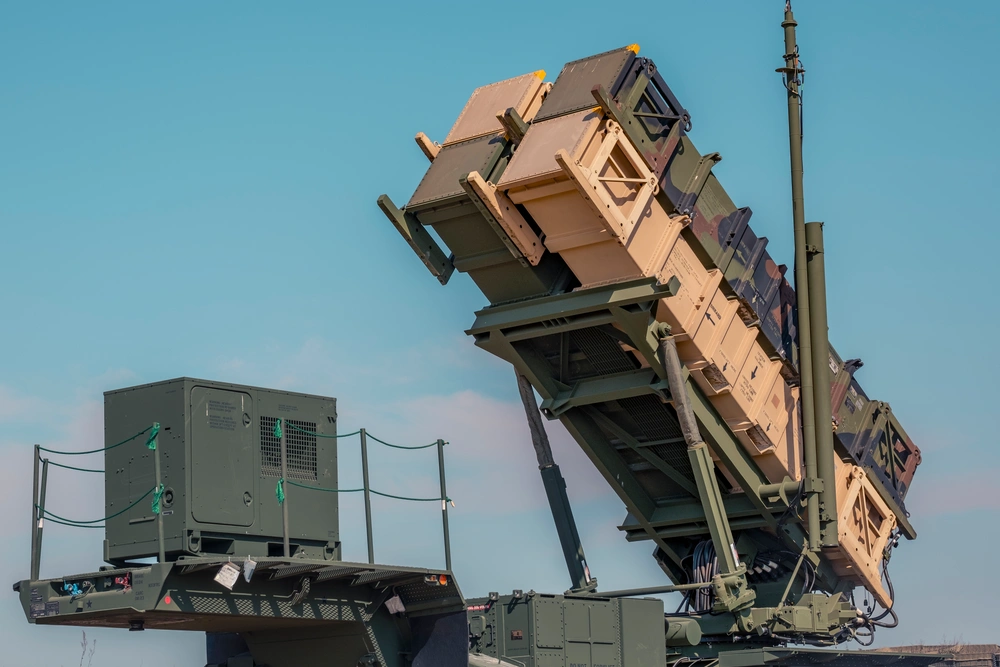
President Donald Trump's Patriot licensing promise is a real signal, but not yet a missile supply solution. At the NATO summit in Ankara on 8 July 2026, Trump said the United States would give Ukraine the right or licence to make Patriots. AP and the Guardian both reported the statement; the Guardian also reported that Trump had not yet spoken with Lockheed Martin or RTX, the companies behind key parts of the system.
Ukraine's 9 July follow-up made the distance from promise to production more concrete. President Volodymyr Zelensky said Ukrainian and U.S. diplomatic and defence teams still had to settle the technical details. Serhii Beskrestnov, an adviser to Ukraine's defence minister, said startup would take many months and cited component lead times of 12 to 24 months alongside limited global output of key parts.
Ukraine's immediate problem is measured in current interceptions, not future paperwork. After the 5-6 July mass strike on Kyiv, Ukrainian officials said the country could still stop most cruise missiles and drones but lacked enough Patriot interceptors for ballistic missiles. A licence may change who can produce in the future. It does not by itself create PAC-3 MSE interceptors in Ukrainian magazines this summer.
The variant question is central. Patriot is a system family, and the interceptors are not interchangeable in operational value. PAC-3 MSE is the high-demand hit-to-kill missile Ukraine needs most for ballistic threats. PAC-2 GEM-T can still matter for air and missile defence, and Ukraine already says German-supported contracts cover hundreds of PAC-2 missiles in the coming years, but that is not the same as a near-term PAC-3 MSE production answer.
The industrial base is already trying to expand before Ukraine enters the production map. The Wall Street Journal reported that the latest Patriot interceptor takes more than two years to build and draws on more than 400 companies, while Lockheed and the Pentagon are aiming to raise PAC-3 MSE output toward 2,000 a year by the end of 2030. Business Insider, citing current production plans, reported expected 2027 output of about 420 PAC-2 GEM-T missiles from Raytheon and more than 600 PAC-3 interceptors from Lockheed Martin. Those numbers underline the point: licensed production would join a crowded, bottlenecked supplier chain rather than bypass it.
A meaningful licence would transfer production authority, tooling, components, and protected manufacturing capacity, not just political permission. Evidence that this is happening would include a signed licence, named variant, named industrial site, company participation from Lockheed Martin, RTX, MBDA or Ukrainian partners, funded orders, and a delivery schedule. Until then, Ukraine's near-term ballistic-missile defence still depends on stockpile transfers through mechanisms such as PURL and JUMPSTART, and on already contracted deliveries arriving faster than Russia can force expenditure.