Britain’s drone plan now has programmes to measure
More than £5 billion is assigned to drones and autonomous systems. The useful signal is the short list of dated programmes that can now be tested against delivery.
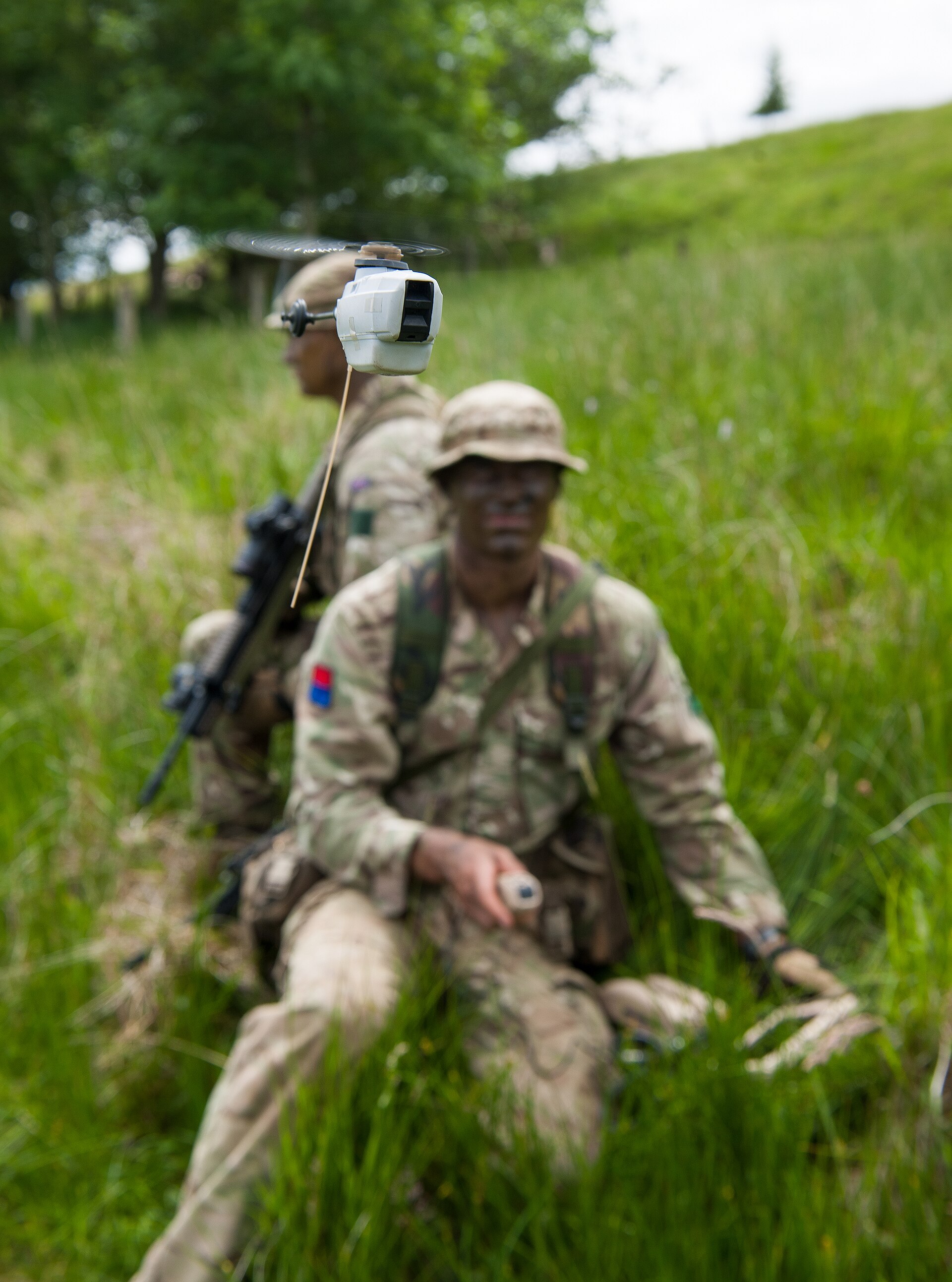
Britain’s Defence Investment Plan turns a general commitment to uncrewed warfare into several measurable programmes. More than £5 billion is allocated to drones and autonomous systems over the four years from 2026–27 to 2029–30, spanning all three services.
The near-term test is the Army’s RAPSTONE programme. It receives an additional £50 million over the next 12 months for first-person-view and interceptor drones. The RAF says its Storm Shroud uncrewed electronic-warfare system will enter service in 2026. Those are firmer milestones than the plan’s longer-range promises.
By 2030, Project NYX is intended to field up to 24 armed autonomous aircraft alongside Apache helicopters, while Project Corvus would acquire up to 24 surveillance aircraft to replace Watchkeeper. The RAF also aims to fly a demonstrator for a national Collaborative Combat Air programme by at least 2030. At sea, the money supports the Type 91–94 uncrewed family and the Uncrewed Systems Centre in Swindon.
The plan therefore signals breadth, but not yet mass. It publishes no annual split of the £5 billion, unit prices, production quantities for most systems, autonomy thresholds, or common technical architecture across the services. “Up to 24” also describes a ceiling, not an order.
The monitor question is whether the UK can convert a portfolio of demonstrations and small fleets into repeatable procurement. Watch RAPSTONE deliveries in 2026–27, Storm Shroud’s entry into service, signed NYX and Corvus contracts, and whether the promised taskforce shortens the path from field trial to scaled order.