Kyiv still stops Russia's cruise missiles and drones — but no longer its ballistics
In the 5–6 July mass strike on Kyiv, Ukraine's Air Force reported downing about 95% of cruise missiles and 93% of drones but none of 23 ballistic missiles or six Zircons. Ukrainian officials tie the gap to a worsening Patriot interceptor shortage, not to any change in the missiles themselves.
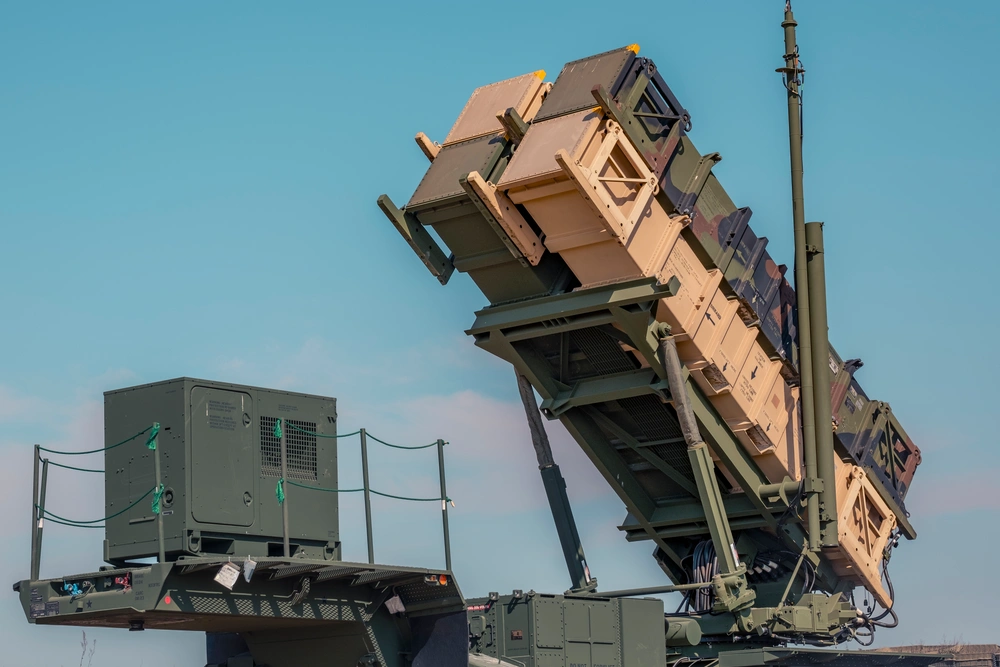
On the night of 5–6 July 2026, Russia struck Ukraine with a combined salvo aimed primarily at Kyiv. The Ukrainian Air Force reported 23 ballistic missiles, six Zircon hypersonic anti-ship missiles, 39 cruise missiles, and 351 attack and decoy drones. Air defences brought down 37 of the cruise missiles and 326 of the drones — but none of the ballistic or hypersonic missiles. All 23 ballistic missiles, all six Zircons, and 18 drones reached targets across 34 locations.
The number that matters is not the total, but how it splits by weapon class. Against cruise missiles and one-way attack drones, Ukraine's layered defences are still working at roughly nine in ten. Against ballistic and quasi-ballistic missiles, they have thinned to almost nothing. The trend is visible across the recent mass strikes: ballistic interception ran near a third in early June and 44% on 15 June, fell to 16.7% on 2 July, and reached zero on 5–6 July, even as the cruise and drone rates held. The per-attack figures are listed in the sources.
Ukrainian officials attribute the ballistic gap to supply, not to a new Russian capability. The Patriot system, firing PAC-3 interceptors, is effectively the only widely fielded means Ukraine has to engage these fast, steep-diving missiles; when its interceptors run low, the ballistic layer thins regardless of how many radars and launchers remain. Air Force spokesman Yurii Ihnat said intercepting ballistics requires interceptors Ukraine no longer has in quantity. Serhii "Flash" Beskrestnov, an adviser to the defence minister, put it more bluntly: "We have nothing to use against ballistic missiles." Defence Minister Mykhailo Fedorov said Russia is now firing ballistic missiles faster than the world produces Patriot interceptors.
That reframes the question raised when three earlier attacks looked like a two-week rhythm. The 5–6 July strike came only four days after 2 July, so the cadence is not a fixed schedule. The measurable variable is the balance between Russia's ballistic salvo size — largely Iskander-class and other quasi-ballistic missiles — and Ukraine's interceptor stock. That is a defence-industrial race, not a calendar. Ukraine has responded on the supply side, with Fedorov appealing to nearly 40 countries to lend Patriot missiles now against deliveries already contracted. Whether that closes the gap is the thing to watch, and it is a magazine-depth problem rather than a permanent loss of capability.