France's Ukraine package sets a 2026 licensing path for Aster, SCALP, and AASM
A joint declaration sets an end-2026 target for licensed Ukrainian production of three weapon families, alongside four planned SAMP/T NG systems, two interim batteries, and a radar-first delivery path.
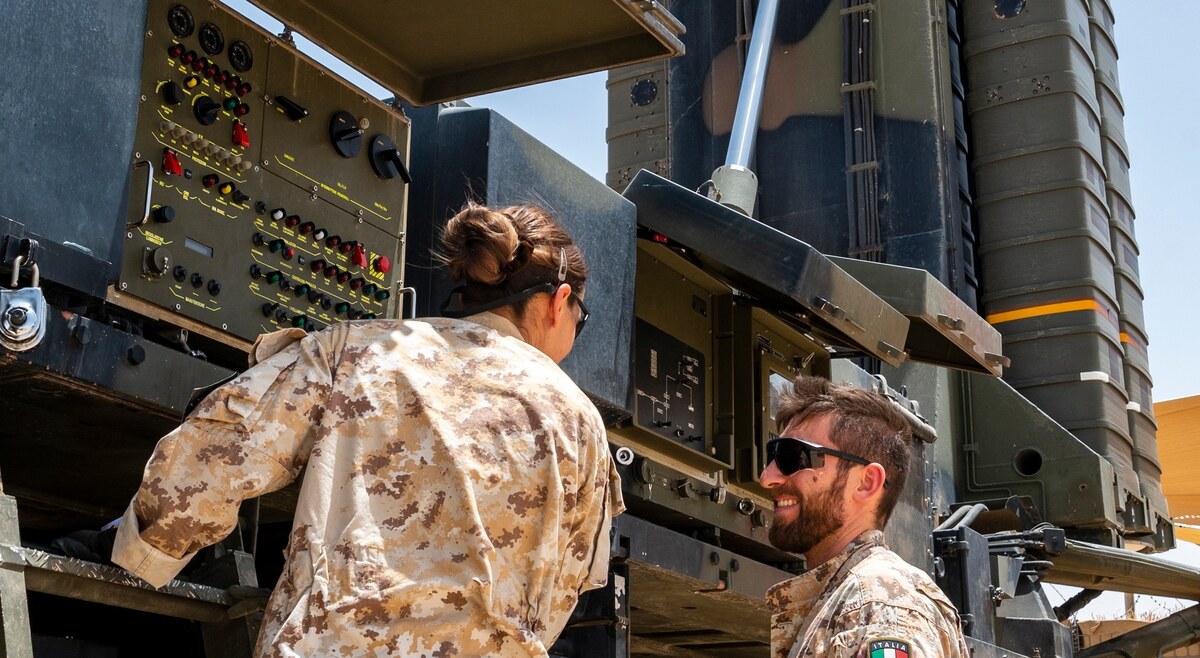
France and Ukraine have put three separate weapons on a common 2026 clock. Their 14 July declaration authorizes licensed Ukrainian production of the SCALP cruise missile and AASM Hammer guided bomb as soon as possible and before year-end. For the Aster 30 air-defence interceptor, France and Italy commit to authorize production by the same deadline — a dated promise to license, not a licence already in force.
The near-term air-defence bridge is more concrete. Ukraine intends to order four SAMP/T NG systems, with financing requested from the 2026 and 2027 tranches of the Ukraine Support Loan. France will lend two current-generation SAMP/T systems in the meantime and take them back when the new equipment arrives. A GF300 radar is due before the end of 2026, NG modules start deploying in 2027, and previously agreed Aster 30 deliveries are to be accelerated to October 2026.
The three licences run through three different manufacturers. Safran Electronics & Defense builds AASM Hammer; MBDA builds SCALP; and Eurosam, a Franco-Italian venture of MBDA and Thales, is the industrial prime and design authority for Aster-based air defence — which is why Aster needs both governments to act. What Ukraine would actually build is open: the declaration does not say whether Ukrainian plants would assemble complete weapons, integrate imported subsystems, or make selected components.
Two of the chains are already growing. A March 2025 Eurosam contract amendment added and accelerated Aster production in Europe, and Safran is setting up AASM Hammer manufacture in India through a joint venture with Bharat Electronics — a named partner and a formal vehicle. Ukraine's roadmap has none of that detail yet.
Set against the reported U.S. promise to license Patriot production, the French package is further along: it names the weapons, a deadline, a financing route, interim systems, and first milestones. What it does not do is produce anything soon. The October Aster deliveries and the two loaned SAMP/T systems are the bridge while production is built.
The decisive next document is an implementation agreement naming the Ukrainian partner, production site, workshare, Aster variant, and first output date. Until then, execution shows up in two places: the accelerated Aster deliveries by October and the GF300 radar by year-end.